Why This Stack Works
Most AI agent tutorials assume Docker, Redis, background workers, vector databases, and a VPS. That is useful for teams with cloud budgets, but not for builders shipping on shared hosting.
This guide takes a different approach.
Build an autonomous function-calling AI agent on a standard LAMP stack by using PHP for orchestration, MySQL for memory, Gemini Flash for reasoning, and cPanel for deployment.

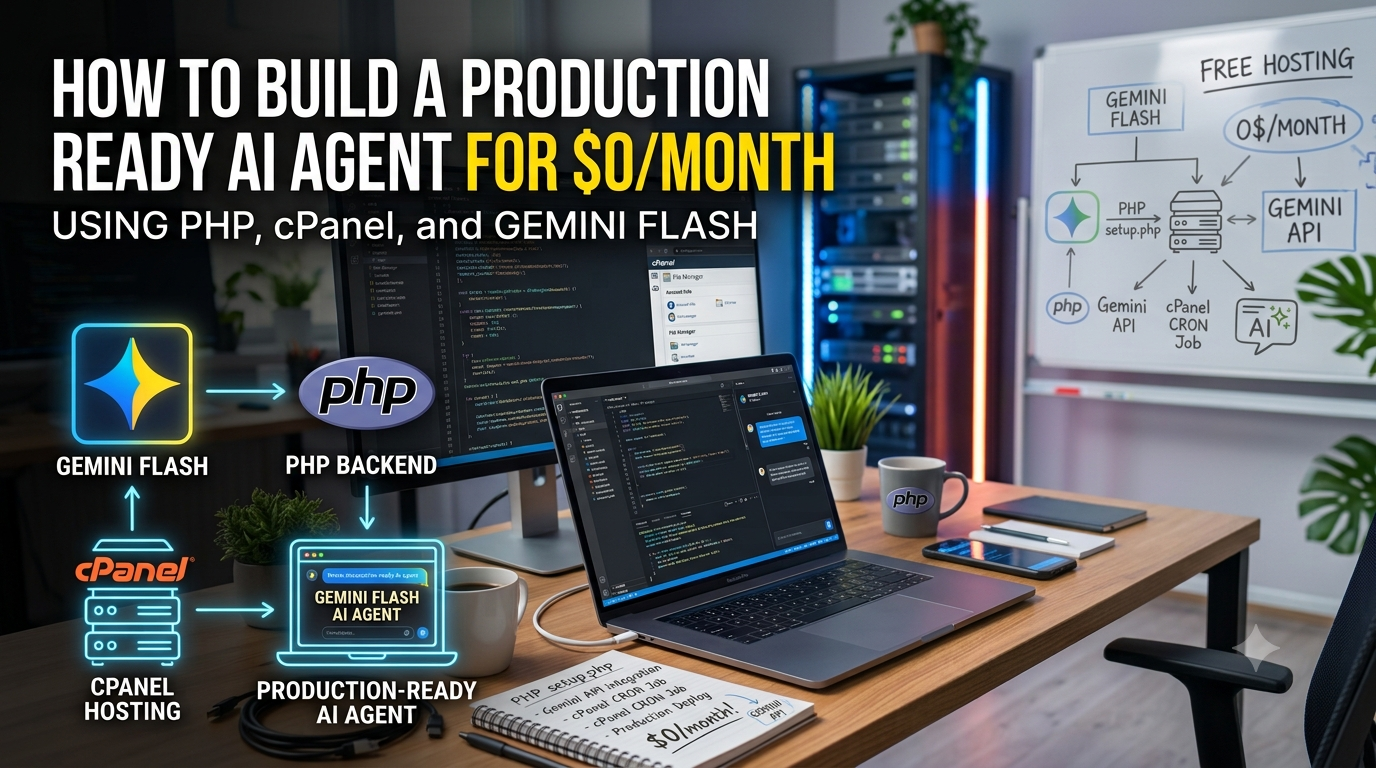
Most AI agent tutorials assume Docker, Redis, background workers, vector databases, and a VPS. That is useful for teams with cloud budgets, but not for builders shipping on shared hosting.
This guide takes a different approach.
Unlock this article and every subscriber-only post — and back the practitioner you follow. Each new post arrives in your inbox in full, code and math included.
Supported by 2 subscribers
Written by
Chidozie ManagwuPragmatic by DesignI build and write about practical data and AI systems -focused on reliability, production trade-offs, and real-world implementation. My background spans data analysis, automation, reporting, and software delivery across healthcare, research, and product teams

The AI revolution over the past few years has been dominated by massive foundation models, trillion-parameter counts, and futuristic chat interfaces. Yet inside engineering teams…
AI success depends less on the model you choose and more on the data foundations, governance, and business context you build before training starts.
In production systems, "hallucination" is a catch-all term for when Large Language Models (LLMs) generate plausible-sounding but incorrect or unintended output.

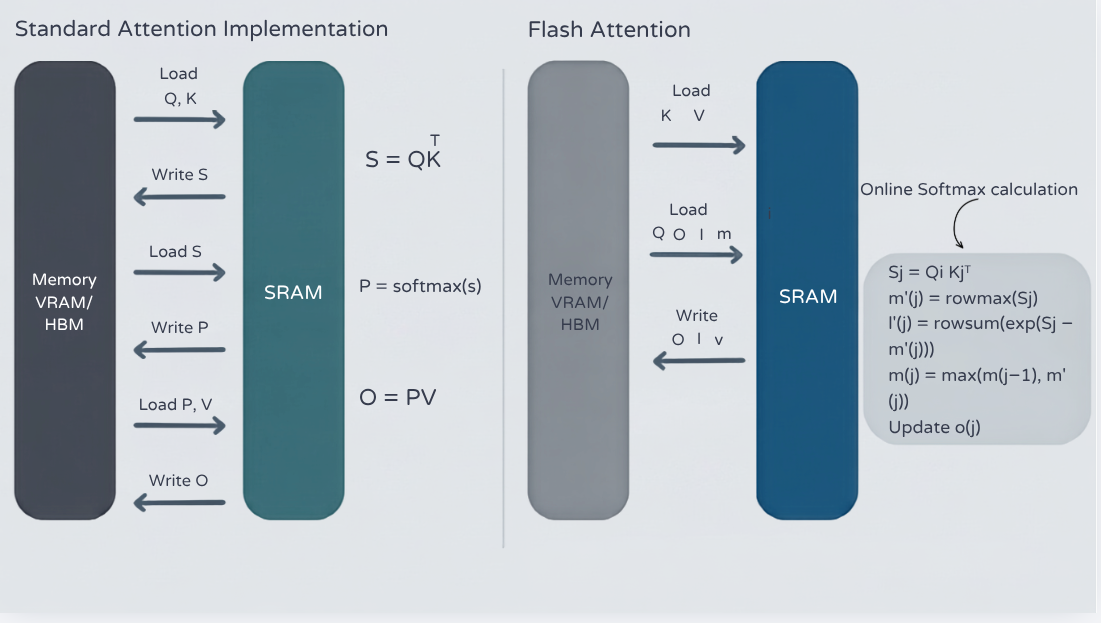
What actually changes when you go from manual attention to a fused kernel